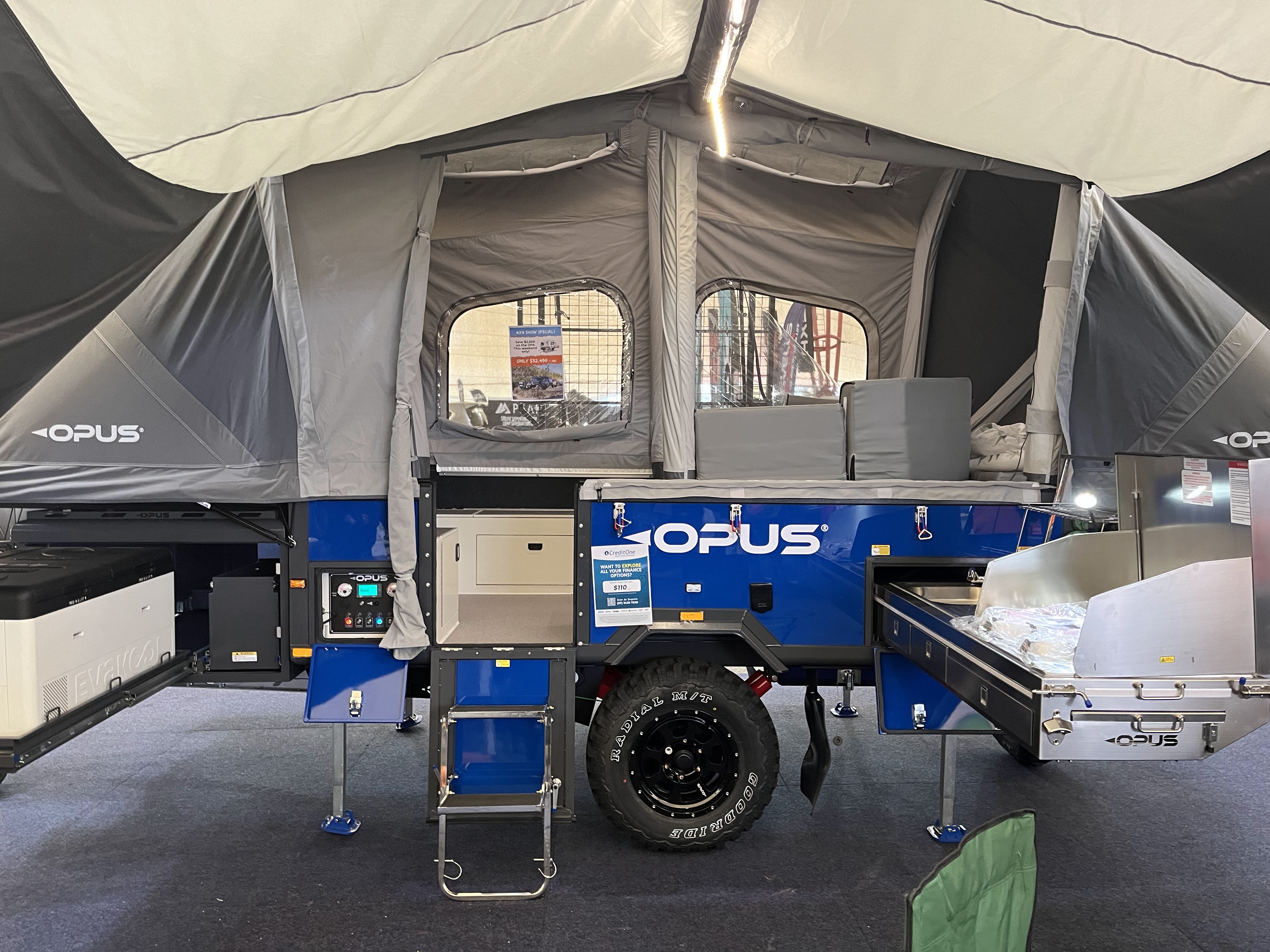
I attended a 4×4 camping show with two objectives: finding a ready-made camper/caravan and researching various design features. However, the excitement of potentially purchasing an Opus camper immediately overwhelmed my original plan.
At the show, sales staff persuaded me to consider the larger 4-person Opus model instead of the smaller 2-person version I’d researched. The bigger unit offered more room to pack the things I need and similar weight specifications. A discounted price with a 2-week delivery timeframe made the opportunity feel urgent.
Reality Check After the Show
That evening, something felt amiss. I spent hours researching online, joining Facebook user groups, and watching setup videos. I discovered critical issues: the pack-down process took 20+ minutes rather than the advertised 5 minutes, storage for a monitor was impossible, and bicycles required roof mounting and removal before setup. The camper exceeded my weight limit and budget.
The Decision
When I went to sleep that night with the conclusion I was not going to buy it, I slept sooo well.
The emotional rush of potentially getting something immediately had clouded my judgment.
I applied the MoSCoW prioritisation method and removed emotion from the decision-making process — a valuable lesson in distinguishing genuine needs from impulsive desires.